How Huntsman Mental Health Foundation traded weeks of spreadsheet reconciliation for ten minutes a day.
Every fundraising operations lead knows some version of this story.
The gala is two weeks out. The guest list lives somewhere between a Google Sheet, an email thread, three different RSVP exports, and the vague memory of a phone call from a board member who mentioned a plus-one back in March.
Strategy stops. Donor prep stops. You become a full-time data janitor; reconciling tickets, scrubbing duplicates, hand-stitching information across systems that were never meant to talk to each other.
And then the night arrives, you smile, and you hope the spreadsheet matches the room.
The two weeks before the gala
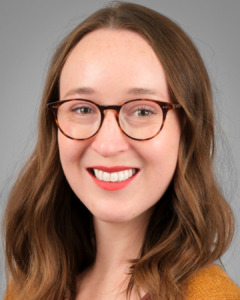
Keely Brassey, Director of Fundraising Operations, Huntsman Mental Health Foundation
For Keely Brassey, Director of Fundraising Operations at Huntsman Mental Health Foundation, that quietly chaotic stretch had a name: the two weeks before the gala.
The foundation is still relatively new, and it supports the Huntsman Mental Health Institute as part of the University of Utah ecosystem, and only stood up active fundraising in 2024. Their flagship event, an invitation-only Garden Party Gala, had successfully pulled off its inaugural year.
Financially, it worked. Operationally, it was held together with duct tape.
“Our first gala was a little bit of a hodgepodge. We didn’t have anything that integrated.” — Keely Brassey, Director of Fundraising Operations, Huntsman Mental Health Foundation
Guest lists, RSVPs, ticket purchases, donor records, each lived somewhere different. Each had to be cross-checked manually.
The cost wasn’t just hours, though there were plenty of those. It was focus. The two-week stretch leading into each event swallowed the strategy work that actually moves a gala from good to great.
“The data management was 100% my focus for a good solid two working weeks.” — Keely Brassey, Director of Fundraising Operations, Huntsman Mental Health Foundation
Instead of preparing donors, refining the program, or strengthening the giving moment, her team was scrubbing rows.
The turning point
The shift began when the foundation implemented Blackbaud Raiser’s Edge as its CRM. Suddenly the limits of the old event tool came into sharp focus.
“QGive does not integrate with Raiser’s Edge,” Keely says. The platform that had carried them through year one couldn’t carry them into year two.
Then a recommendation came from their Blackbaud representative: take a look at Trellis.
“Trellis was recommended to us by our Blackbaud rep, and we were just so impressed from the start.” — Keely Brassey, Director of Fundraising Operations, Huntsman Mental Health Foundation
Three things made the decision:
- A Raiser’s Edge integration that actually worked.
- Event pages that could behave more like a website than a checkout flow.
- And paddle raise functionality strong enough to support what was about to become the most important twenty minutes of the foundation’s year.
A gala designed not to feel like a gala
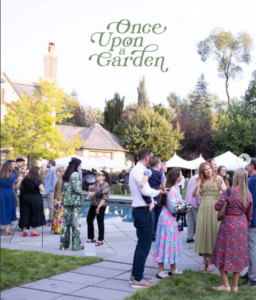
Huntsman Mental Health Foundation runs an annual invitation-only gala that attracts major philanthropists in Utah.
Year two looked nothing like year one — by design.
The foundation’s CEO didn’t want another ballroom evening. Major philanthropists in Utah see plenty of those.
So the gala moved to the CEO’s personal home. Intimate. Unusual. A signal to guests before the night even started.
Inside, the team replaced the long-program format with mission stops, curated stations where researchers and clinicians from the Huntsman Mental Health Institute spoke directly with guests about the work being done. At each one, attendees got a real moment of inspiration before any ask was made. The team knew what hours of speeches and table service do to a donor’s energy, and refused to design a program around it.
Guests didn’t sit. They moved. They listened. They asked questions. By the time the formal program began, the emotional groundwork was already laid.
Behind the scenes, the team had also done the unglamorous work of securing planted gifts, early commitments from key donors who agreed to be visible at the start of the paddle raise. The logic is well known to seasoned fundraisers: a few generous opening gifts set both the ceiling and the permission for the rest of the room.
The actual giving moment lasted just fifteen to twenty minutes and it generated more than half of the night’s revenue.
And then came a moment no one had planned for.
“We had a really generous anonymous donation we weren’t expecting at all on the night of $1,000,000.” — Keely Brassey, Director of Fundraising Operations, Huntsman Mental Health Foundation
The total: $2.2 million. The Executive Director, in a moment of relief, jumped into the pool.
The unexpected benefit
The dollars made the headlines. But the change Keely talks about most isn’t the revenue, it’s what happened to her job.
For the first time, the run-up to a gala didn’t belong to spreadsheets. It belonged to the strategy.
“It took two full-time working weeks down to looking at it once a day for maybe 10 minutes.” — Keely Brassey, Director of Fundraising Operations, Huntsman Mental Health Foundation
With event data flowing directly from Trellis into Raiser’s Edge, the reconciliation work that used to happen by hand simply… stopped being necessary. A short daily check replaced what had been a manual data review, eating up her schedule.
That reclaimed time changed her role at the foundation. She wasn’t the data person anymore. She was a strategic contributor to the gala itself, focused on the higher-priority work the team had never quite had room for.
For a young foundation building its fundraising operation from the ground up, that shift matters as much as the revenue. It’s the difference between a team that runs events and a team that designs them.
The small detail that made a huge impact
There’s something small that comes up when Keely talks about the platform, something most people don’t lead with when they describe event software.
It looked the part.
The team wanted their event page to feel less like a registration form and more like a continuation of the gala itself. Less transactional. More invitational.
“We liked how you could have it behave a lot more like a website.” — Keely Brassey, Director of Fundraising Operations, Huntsman Mental Health Foundation
For an invitation-only gala built around major donors, the first digital impression matters. The page a guest opens after receiving their invitation sets a tone before they ever walk through the door. It either feels considered, or it doesn’t.
That’s the kind of detail that doesn’t show up on a results dashboard. But it’s the kind donors notice.
What the night actually delivered

Great fundraising events require both strategy and infrastructure. By focusing on the cause with curated mission stops, their Paddle Raise was a huge success.
Two years in, Huntsman Mental Health Foundation has a gala model that works, and the operational scaffolding to keep it working.
$2.2 million raised in a single night. A $1 million paddle raise gift no one saw coming. More than half of the evening’s revenue generated in a twenty-minute giving moment. Two full weeks of pre-event admin compressed into about ten minutes a day. And a team finally free to focus on donors instead of data.
The lesson is the one every gala lead eventually learns the hard way: a great event is built on two things at once. The strategy that fills the room, mission stops, planted gifts, an intentional giving moment, and the infrastructure that lets your team show up to that room with energy instead of exhaustion.
If the two weeks before your next gala are starting to look a lot like the ones Keely used to know, the team at Trellis would love to hear about it.